



Melbourne’s Laneways Have a Dirty Secret
Nov 09, 2026
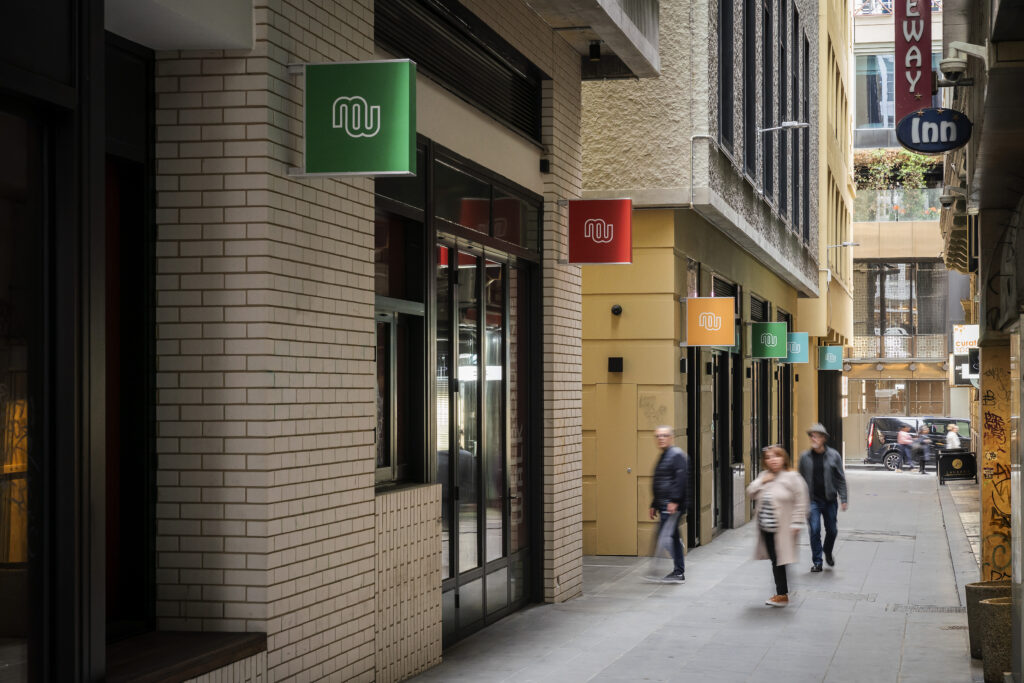
Every time you cut through Melbourne Walk from Bourke Street Mall to Little Collins Street, you’re stepping into a piece of Melbourne’s laneway history.
Today the city’s laneways are known for hidden eateries, street art and tucked-away discoveries. But Melbourne laneways weren’t always somewhere you’d want to linger. In fact, they started out with a pretty dirty secret.
Why does Melbourne have so many laneways?
Melbourne’s laneway history goes all the way back to an argument in 1837.
When surveyor Robert Hoddle laid out the Melbourne CBD, he wanted wide main streets that let fresh air flow through. Governor Richard Bourke had other ideas. He wanted narrow streets giving people access to the longer blocks from the back.
In the end, they both got their way. The main streets stayed 99 feet wide, and a narrower “little” street was added between them, at a third of the width. Little Collins Street, which Melbourne Walk opens onto today, is one of them.
This layout is now known as the Hoddle Grid, and it still shapes the city centre today.
But the laneways didn’t stop there. As Melbourne grew, landowners split their big blocks into smaller lots, and the lots stuck in the middle needed a way in. So, new lanes were cut through the blocks, creating the network of back streets Melbourne is known for today.
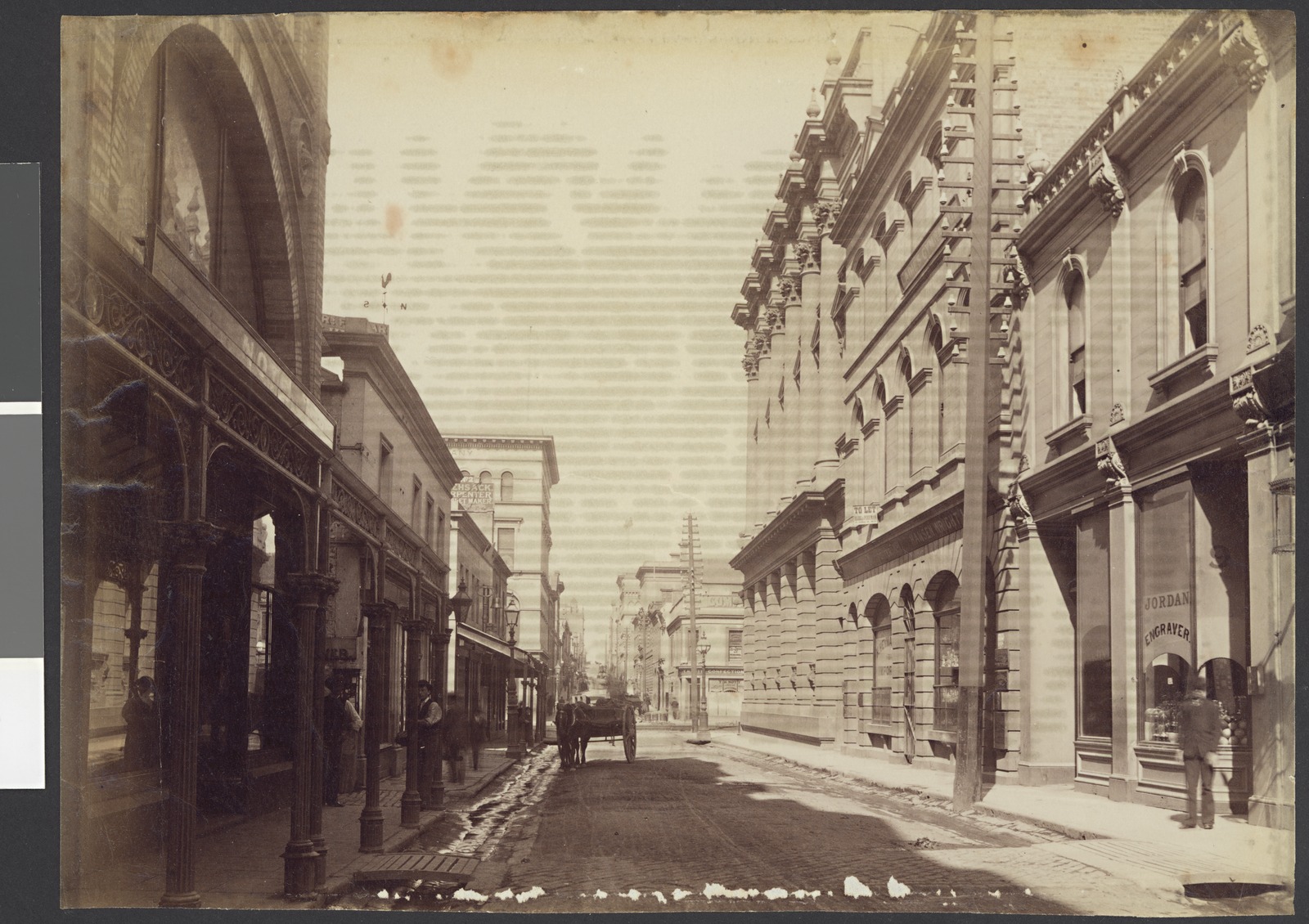 Little Collins Street, 1979 (State Library Victoria)
What were Melbourne’s laneways originally used for?
Here’s the dirty secret behind Melbourne’s laneways.
Before Melbourne had a sewer system, toilet waste, politely called “night soil”, was collected in cesspits and pans at the back of properties.
Someone had to take it away, and that job fell to the nightmen. They worked while the city slept, wheeling their carts down the lanes to keep the smell away from the main streets.
By day, the same lanes took everything the grand streets didn’t want on show, from deliveries and workshops to piles of rubbish.
With waste sitting in cesspits and open drains across the city, the boom town known as Marvellous Melbourne had picked up a far less flattering nickname by the 1880s, “Smellbourne”.
Relief finally came in 1897, when Melbourne’s new sewerage system began operating. As properties gradually connected to underground pipes, the lanes began losing their dirtiest job.
And for decades, many of them slipped into the background.
By the early 1980s, hardly anyone lived in the city. Workers poured in during the day and headed home to the suburbs at five, leaving the laneways dark and empty by night.
How did Melbourne laneways become famous?
Melbourne’s laneways revival began gathering momentum in the early 1990s.
The recession had left office buildings across the city sitting empty, so in 1992 the City of Melbourne launched Postcode 3000, an initiative to turn underused buildings into apartments and bring people back to live in the CBD.
As residents moved in, the lanes were cleaned up and upgraded, and small businesses began seeing opportunities in space that had long been overlooked.
In 1994, a bar called Meyers Place opened in a disused hair salon, helping establish the blueprint for Melbourne’s hidden laneway bars.
Cheaper rents, changing liquor licensing rules and a growing appetite for small, independent venues helped the movement take off.
By the end of the decade, the back streets the city once kept out of sight were becoming the very thing people went looking for.
Melbourne’s modern laneway culture had arrived.
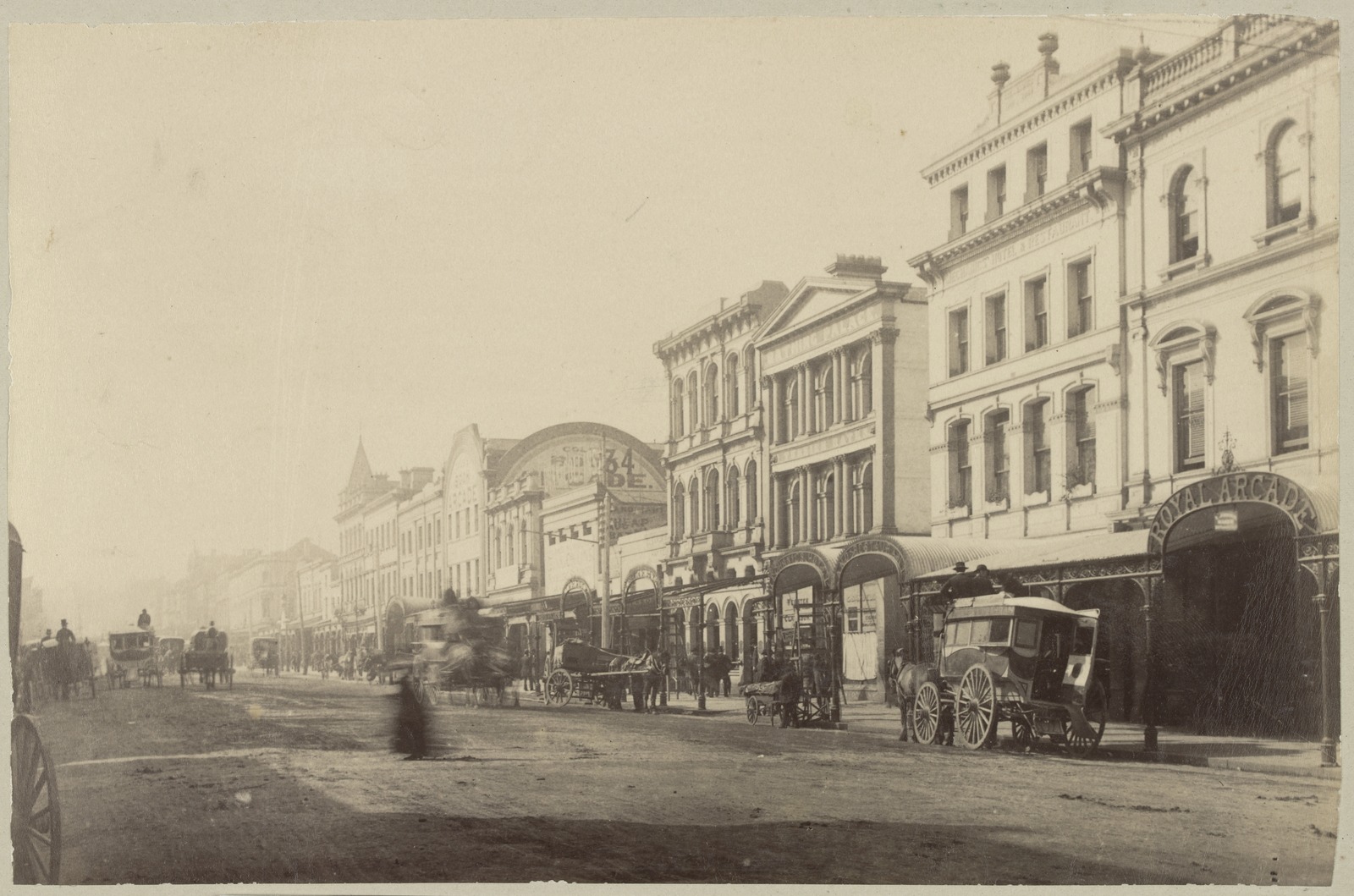 Bourke Street, 1900. Including Mechanics Hotel and Restaurant. (State Library Victoria)
Where can you explore Melbourne’s laneways near Bourke Street Mall?
You don’t have to go far to see that culture in action.
Right in the heart of Melbourne’s CBD, two of the most interesting laneways near Bourke Street Mall sit right at Melbourne Walk, connecting the precinct with the city’s distinctive laneway culture.
And each tells a different side of the story.
Union Lane: From working laneway to Melbourne Street Art
Long before it became known for its street art, Union Lane was a working back street, home to trades including locksmiths and brass finishers in the late 19th century.
In late 2007, more than 50 young artists covered both sides of the lane through a City of Melbourne project, creating a mural spanning 550 square metres.
Today, Union Lane is a constantly changing canvas for Melbourne Street art. New layers of colour, tags and artwork mean there’s often with something new to discover each time you pass through.
It’s a reminder of just how far Melbourne’s back streets have come.
The Causeway: From back street to hidden dining destination
Bordering Melbourne Walk’s other side, The Causeway tells a different story.
Once known as Craigs Lane, it was home to the Mechanic’s Hotel in 1895.
Today, the Causeway is a pedestrian laneway that connects Bourke Street Mall to Little Collins Street. Lined with cafes and restaurants, it’s helping to bring Melbourne’s famous laneway dining culture to life.
Among them is Yummi Go, serving Japanese comfort food in the kind of tucked-away setting Melbourne’s laneways became famous for.
From waste carts and workshops to street art and hidden eateries, Melbourne’s Laneways have deep rooted history in the city’s culture.
So next time you’re exploring Melbourne Walk, take a detour down Union Lane or The Causeway. You might just discover something you weren’t expecting.
The nightmen certainly wouldn’t believe what’s down there now.
Share
